Overall Rating: 4.4 / 5 ⭐⭐⭐⭐⭐
 Why Your Crypto Is Probably Less Safe Than You Think
Let’s start with something uncomfortable. About 43.8% of stolen crypto in 2024 came from private key compromises. Not exchange hacks. Not sophisticated nation-state attacks. Private key compromises — which means someone’s personal credentials were exposed, and their funds walked out the digital door without a fight. KPL
If your crypto is sitting on an exchange right now, your private keys aren’t yours. They belong to the exchange. If the exchange gets hacked, if it goes bankrupt, if it freezes withdrawals — your assets go with it. History has provided enough catastrophic examples of that scenario to make it a genuine risk, not a theoretical one.
The solution the crypto community has settled on is the hardware wallet — a physical device that stores your private keys offline, entirely out of reach from internet-based attacks. For years, that market was dominated by two brands: Ledger and Trezor. Both are excellent. Both are also expensive enough to make budget-conscious holders hesitate.
Then SafePal showed up and changed the math.
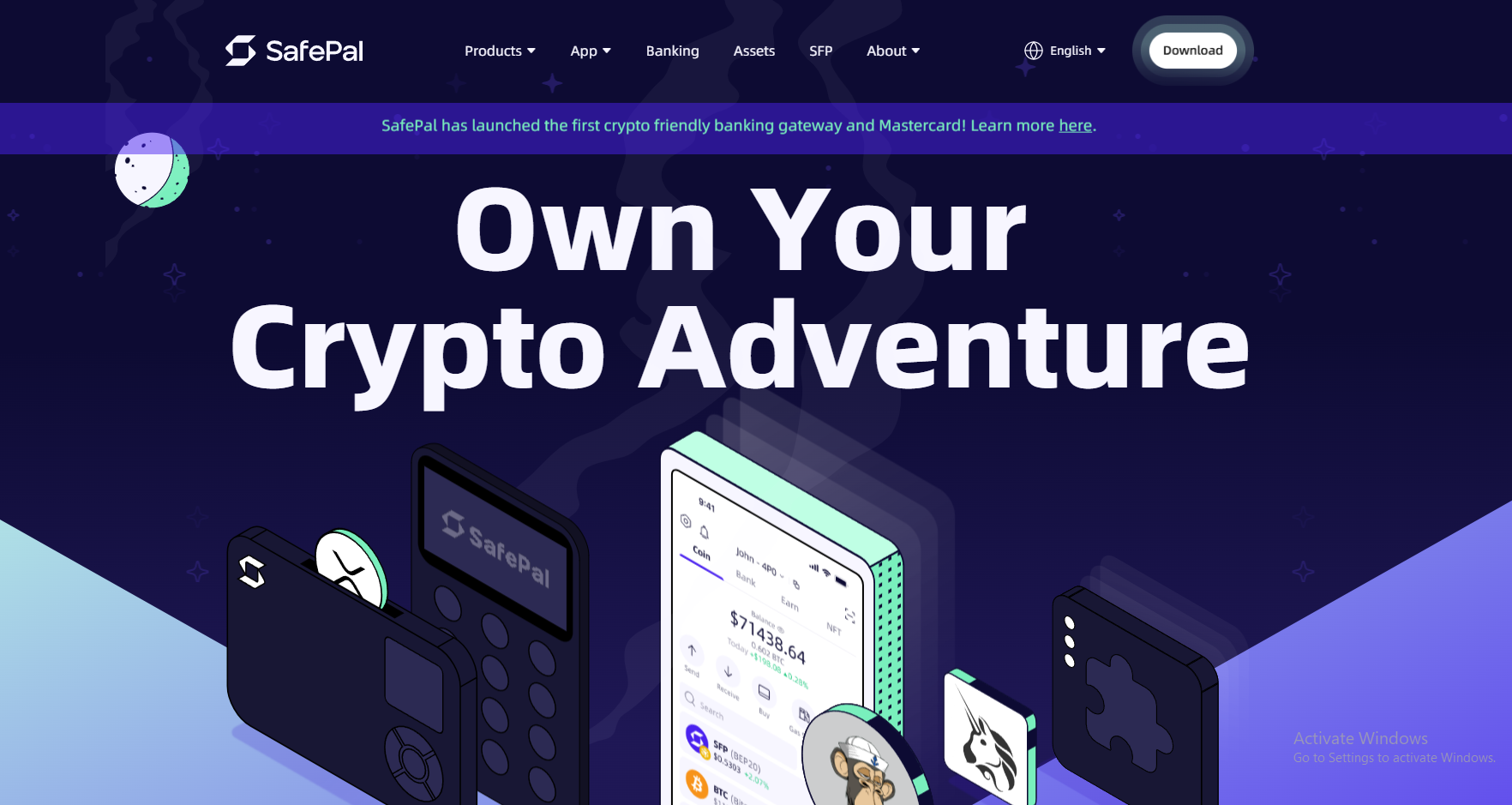
Who Is SafePal? The Binance Connection That Changes Everything
SafePal is a crypto wallet manufacturer founded in 2018, headquartered in Seychelles and receiving early strategic funding from Binance. More than 20 million people have purchased SafePal wallets since its inception. KWETU NEWS
That Binance backing is not a casual detail. Binance Labs — the investment arm of the world’s largest crypto exchange — does not write checks to unproven hardware wallet manufacturers without serious due diligence on their security architecture. When Binance bets on a wallet brand, it is implicitly signaling confidence in the underlying security model to its own massive user base.
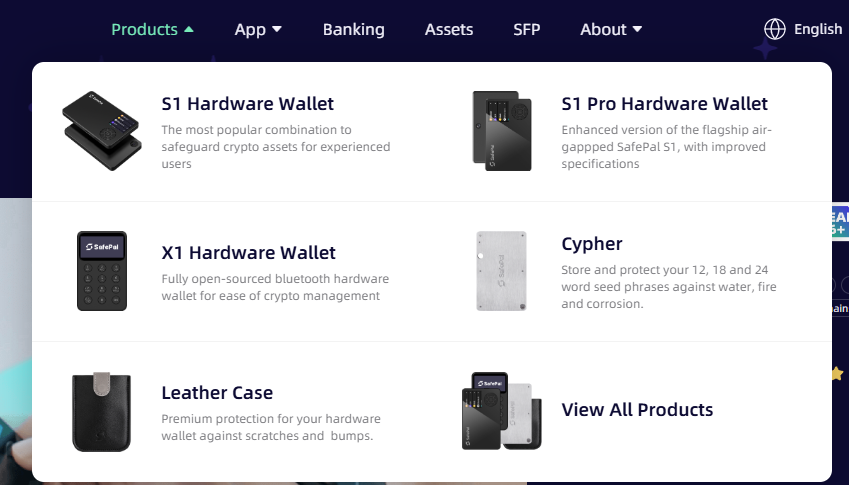
SafePal is a cryptocurrency wallet ecosystem that offers both a mobile software wallet and several hardware wallet devices. The company was founded in 2018 in Singapore with backing from Binance Labs, which gives it serious credibility. SafePal offers three hardware wallets — the SafePal S1, S1 Pro, and X1 — which are cold storage devices that keep private keys offline for maximum security. ChampsBase
Twenty million users across six years. Three distinct hardware wallet models covering different use cases and price points. A software wallet ecosystem spanning mobile and browser. And a native token, SFP, that unlocks additional platform benefits. SafePal is not a one-product operation trying to cash in on the hardware wallet trend. It is building an ecosystem.
The Hardware Lineup: Three Wallets, Three Philosophies
Understanding SafePal starts with understanding that the three hardware models represent fundamentally different approaches to the security-versus-convenience trade-off — not just different price points.
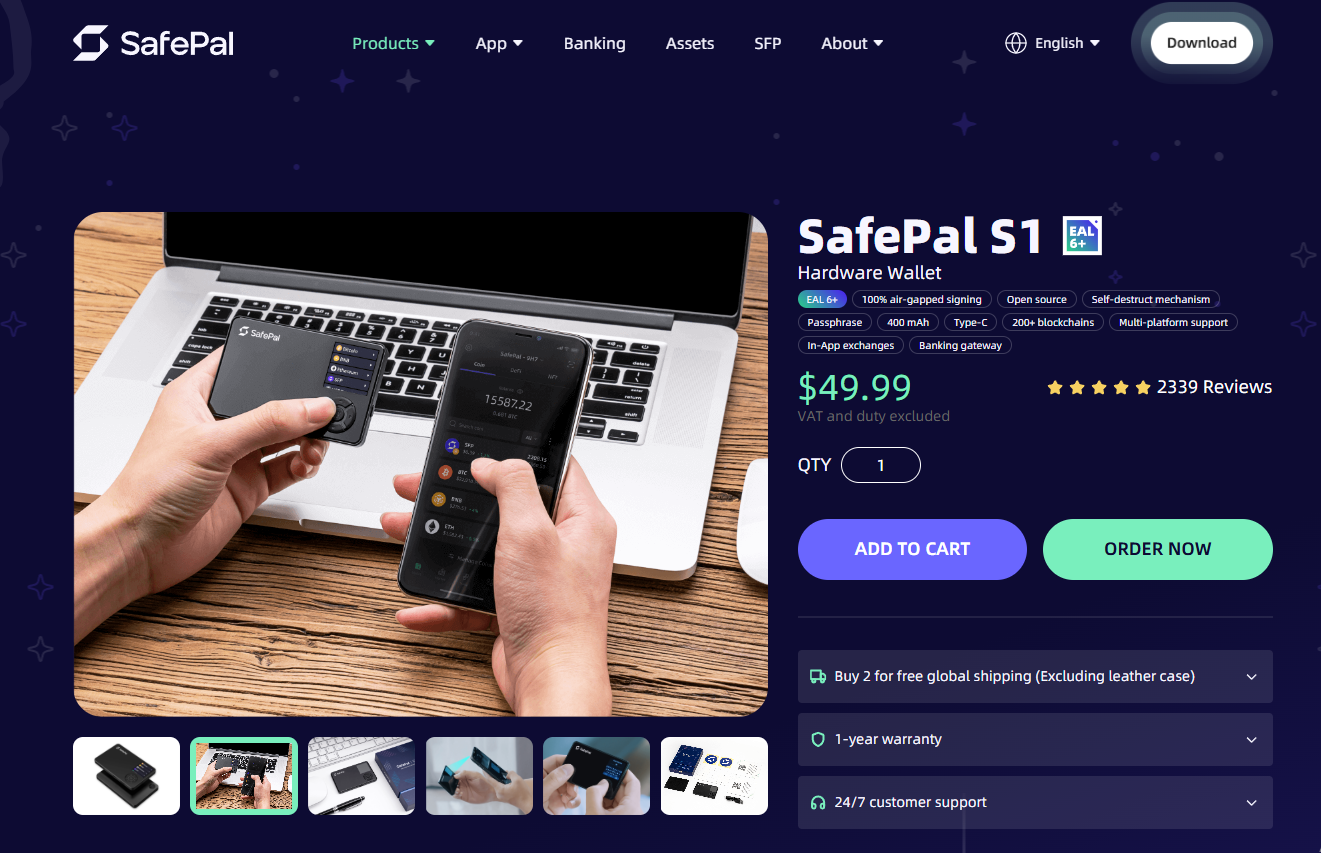
SafePal S1 — The Air-Gapped Purist ($49.99)
The S1 is SafePal’s flagship and the product that built the brand’s reputation. Its defining characteristic is total, uncompromising air-gap security.
SafePal’s defining security feature is its air-gapped transaction signing. Unlike hardware wallets that connect via USB or Bluetooth, SafePal S1 devices never establish a direct data connection with any computer or smartphone. Instead, transactions are signed offline and transmitted via QR codes displayed on the device screen. Betika Kenya
The transaction flow works like this: you initiate a transaction in the SafePal mobile app. The app shows a QR code with the unsigned transaction. You scan that QR with the S1’s built-in camera. You verify the details on the device screen and confirm with your PIN. The S1 signs the transaction offline and displays a new QR code. You scan that signed QR back into the app, which broadcasts it to the network.
This method eliminates the attack surface associated with USB connections, Bluetooth pairing, and WiFi exposure. There is literally no data pathway from the internet to your private keys. The only information exchange happens through QR codes — visual data that cannot carry malware. Betika Kenya
The S1 is equipped with an EAL 5+ secure element, stores private keys in a tamper-resistant environment, and features a self-destruct mechanism that automatically wipes all data if tampering is detected. Fulltimepredict
At $49.99, the S1 significantly undercuts the Ledger Nano S Plus and Trezor Safe 3, both of which retail around $79. You’re basically getting Ledger/Trezor-level security for a fraction of the price. ChampsBase
SafePal S1 Pro — The Upgraded Daily Driver ($89.99)
The S1 Pro builds on the original with faster speed, a clearer screen, and better battery life. The S1 Pro can last around 3–4 weeks of casual use on a 500mAh battery, compared to the original S1’s 2–3 weeks on 400mAh. GHANAsoccernet
Same air-gapped QR code security model as the S1. Better hardware specs for users who transact frequently enough to feel the performance difference. The glass and aluminum construction gives it a notably more premium feel in hand compared to the plastic S1 housing. For power users who find the S1’s responsiveness slightly sluggish during frequent DeFi interactions, the S1 Pro is the natural upgrade.
SafePal X1 — The Connected Option for Daily Use
The X1 takes a deliberately different philosophy from its siblings. Where the S1 and S1 Pro are built for maximum offline purity, the X1 prioritizes daily-use convenience.
The SafePal X1 is SafePal’s latest open-source Bluetooth hardware wallet, designed to deliver a blend of robust security, user-friendly design, and seamless crypto management for both newcomers and experienced users. One of the X1’s headline features is its high-speed Bluetooth 5.0 connectivity, which replaces the QR code-based signing method of the S1. This enables faster, more efficient transaction signing when paired with the SafePal mobile app. TopBets Kenya
The Bluetooth connection raises an obvious security question, and SafePal has addressed it with serious engineering. The initial pairing uses Elliptic Curve Diffie-Hellman (ECDH) to establish a secure channel, with all subsequent communications protected by AES encryption. Even if data is intercepted during transmission, it remains unreadable without the encryption keys. The X1’s open-source code, available on GitHub, allows independent verification of these security claims. TopBets Kenya
That open-source availability is a meaningful differentiator — it’s the only model in the SafePal lineup with publicly auditable code, which matters to the segment of the crypto community that won’t trust closed-source firmware regardless of claimed security certifications.
The X1 also features a larger 1.8-inch monochrome display and a 12-button keypad, which makes inputting PINs and numerical data far more convenient than navigating small touchscreens. SportsBoom
The Security Architecture: What Actually Keeps Your Crypto Safe
SafePal’s security model is worth understanding in detail, because it’s meaningfully different from how most people think about wallet security.
Each device is PIN and passphrase protected, with two-factor authentication, and an anti-hacking self-destruct mechanism. Wallets also have built-in EAL5+ secure element chips, which provide tamper-proof protection for private keys. Betika
The EAL5+ certification is a internationally recognized security standard — the same level used in bank cards and government identity documents. It means the secure element has been formally evaluated and certified to resist both software attacks and physical attempts to extract the private key.
SafePal crypto cold storage devices utilize the BIP39 standard, generating seed phrases from a specific list of 2048 words. They also leverage BIP44, which enables wallets to manage multiple accounts and assets simultaneously. These are industry-standard protocols, meaning your seed phrase is fully portable — if SafePal ever disappears as a company, you can recover your assets using any BIP39-compatible wallet. SportsBoom
Unlike most wallets that go briefly online during QR code scanning, SafePal keeps the private key environment completely air-gapped even while executing transactions — eliminating exposure during those crucial seconds. This is a subtle but important distinction from some competitor implementations. GHANAsoccernet
One honest limitation: SafePal’s software and firmware are mostly closed-source, which means the code isn’t publicly audited by the community, unlike Trezor which is fully open source. For users who consider open-source code a non-negotiable security requirement, this is a genuine constraint — except on the X1 model where the code is fully open. ChampsBase
The Software Ecosystem: More Than Just a Wallet Interface
SafePal’s software platform is where the product offering expands well beyond basic storage. The mobile app and browser extension together form a surprisingly comprehensive crypto management environment.
The SafePal software wallet offers hot storage on mobile and desktop devices. Supported operating systems include iOS, Android, Chrome, Firefox, and Edge. Asset coverage features 10,000 pre-loaded coins and tokens, including major altcoins like Ethereum, Dogecoin, and Cardano. SafePal supports over 200 blockchains. KWETU NEWS
Two hundred blockchains and 10,000 pre-loaded tokens. For anyone holding a diversified portfolio across multiple chains — which describes most serious crypto investors in 2026 — this multi-chain coverage in a single interface is genuinely convenient. You are not managing separate wallets for your Bitcoin, your Solana ecosystem positions, and your Ethereum DeFi holdings. It’s all visible and manageable in one place.
SafePal includes features like staking, NFT storage, a dApp browser, and a fiat-to-crypto banking gateway. Users can earn passive income through SafePal Earn, which offers staking and DeFi liquidity pool access. Betika
The DeFi integration deserves specific mention. The ability to connect a hardware wallet to decentralized applications — while keeping private keys completely offline — is the killer feature combination that justifies having both a hardware device and a software companion app. You get the security of cold storage and the functionality of active DeFi participation simultaneously.
SafePal also offers crypto-centric bank accounts. These licensed accounts provide traditional banking services like global transfers and online purchases via MasterCard debit cards. For users who want a bridge between their crypto holdings and real-world spending, this banking integration is a meaningful lifestyle feature that few pure hardware wallet brands offer. KWETU NEWS
The QR Code Experience: Brilliant in Theory, Sometimes Tedious in Practice
Let’s be completely honest about the QR code signing process on the S1 and S1 Pro, because real-world usability matters.
The air-gapped QR code system on the S1 and S1 Pro is very secure, but it’s a bit cumbersome for frequent use. To confirm a transaction, you scan a QR on your phone with the device camera, then scan the device’s QR back with your phone. It only takes maybe 10–20 seconds, but doing multiple transactions in a row or interacting with many DeFi apps can become tedious compared to just clicking a button in a connected wallet. ChampsBase
Ten to twenty seconds per transaction is genuinely not a problem if you’re a long-term holder who moves crypto infrequently. It becomes friction if you’re an active DeFi user who is approving transactions, swapping tokens, and interacting with protocols multiple times per day. The X1’s Bluetooth model addresses this for frequent users at the cost of the full air-gap purity.
The battery situation is worth flagging too. The SafePal hardware devices are battery-powered and need periodic charging. The S1 Pro lasts around 3–4 weeks of casual use, the original S1 about 2–3 weeks, and the X1 has a smaller 200mAh battery lasting roughly 2 hours of continuous use. The X1’s battery life in particular requires a different usage pattern — charge it before use sessions rather than expecting all-day passive availability. ChampsBase
Pricing: The Most Compelling Argument for SafePal
SafePal’s commitment to affordability is evident across its product range. The S1 hardware wallet is available for $49.99. The S1 Pro is $89.99, still remaining competitively priced compared to market alternatives. GHANAsoccernet
For context: Ledger Nano X retails around $149. Trezor Model T is around $179. SafePal’s most capable hardware model — the S1 Pro — costs roughly half of what those premium competitors charge while offering comparable core security through a different (and arguably more secure) air-gapped architecture.
The free software wallet requires no purchase. It downloads and stores encrypted private keys on the user’s device. For anyone starting their crypto security journey who isn’t ready to spend on hardware, SafePal’s free non-custodial software wallet is a legitimate step up from exchange custody with zero financial commitment. ChampsBase
The SafePal Cypher — a metal seed phrase backup plate at $44.99 — completes the security stack. It addresses the vulnerability of seed phrases stored on paper, which are susceptible to fire, water, and physical damage. SportsBoom
What SafePal Doesn’t Do Well
Honest reviews require honest limitations, and SafePal has a few that deserve direct acknowledgment.
Customer support is genuinely subpar. Customer service is available only via online tickets, which disappoints users, including paying hardware wallet customers who expect more responsive support options. For a device that is literally protecting someone’s life savings in some cases, ticket-only support with variable response times is a meaningful weakness that the brand needs to address. KWETU NEWS
No native desktop application. A lack of desktop software support disappoints users preferring native applications for Windows, Mac, or Linux. The browser extension partially addresses this, but users who prefer standalone desktop applications over browser-based interfaces will find this gap frustrating. KWETU NEWS
Closed-source firmware on S1 and S1 Pro. SafePal’s software and firmware are mostly closed-source, meaning the code isn’t publicly audited by the crypto community the way Trezor’s is. For users who treat open-source auditability as a security baseline requirement, this limits trust compared to fully transparent alternatives — though the EAL5+ certification provides a different form of third-party validation. ChampsBase
Initial setup complexity for true beginners. SafePal is designed primarily for experienced crypto owners — beginners may find the interface and functionality too complex to get started quickly. The setup process is guided and logical, but the concepts involved — seed phrases, private keys, BIP39 standards — assume a baseline of crypto literacy that absolute beginners may not have. Betzoid
SafePal vs. Ledger vs. Trezor: The Real Comparison
Rather than pretending these are equivalent products competing on equal terms, here’s the honest differentiation:
Ledger wins on brand recognition, ecosystem integrations, and the Ledger Live desktop app experience. It loses on price, and its 2023 firmware controversy around the Recover feature damaged trust among users who considered absolute key sovereignty non-negotiable.
Trezor wins on open-source transparency — its firmware is fully publicly auditable and has been for years. It loses on multi-chain support breadth and does not have an air-gap QR code model comparable to the SafePal S1.
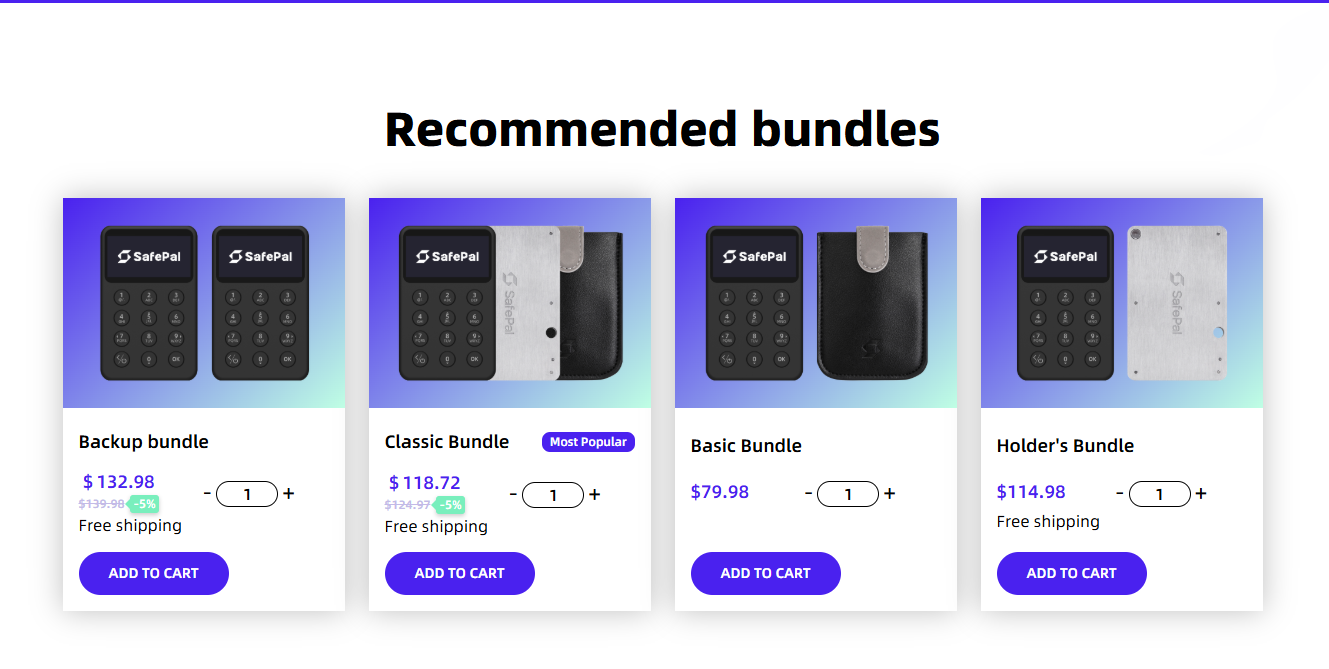
SafePal wins on price-to-security ratio, air-gapped architecture on S1/S1 Pro, multi-chain breadth with 200+ blockchains, the integrated software ecosystem, and the DeFi/staking functionality baked into the companion app. It loses on customer support quality, closed-source firmware on two models, and name recognition compared to the established giants.
The conclusion for most users: SafePal offers a solid mix of safety, convenience, and cost-effectiveness that is hard to match at these price points. GHANAsoccernet
Who Should Use SafePal
SafePal is the right choice for crypto holders who want hardware wallet security without paying Ledger or Trezor premium prices, multi-chain investors who hold assets across Bitcoin, Ethereum, Solana, BNB Chain, and numerous other networks simultaneously, active DeFi users who need a hardware wallet that integrates smoothly with decentralized applications, users who want the option to graduate from a free software wallet to hardware as their portfolio grows, and anyone who values the Binance ecosystem and wants a wallet that integrates naturally with it.
SafePal is harder to recommend if you are an absolute beginner who needs extensive hand-holding through setup and ongoing use, if open-source firmware is a non-negotiable security requirement for you, or if you need responsive human customer support with phone or live chat availability.
Final Verdict: Serious Security at a Price That Makes No Excuses Necessary
SafePal has done something genuinely difficult in the hardware wallet market: it delivered real, certifiable security — EAL5+ secure elements, complete air-gapping, self-destruct mechanisms, BIP39/BIP44 standards — at price points that make hardware wallet protection accessible to the average crypto holder rather than just the whale protecting a seven-figure portfolio.
SafePal wallets are still a reliable and budget-friendly option for securing crypto assets offline in 2026, offering a solid mix of safety, convenience, and cost-effectiveness. GHANAsoccernet
The weaknesses are real — ticket-only support, closed-source firmware on two models, no native desktop app. None of them compromise the core security proposition. What they affect is the experience around the product, not the product’s fundamental job of keeping your private keys safe from online threats.
At $49.99 for the S1 and $89.99 for the S1 Pro, SafePal removes the price excuse for not using a hardware wallet. If you hold crypto worth protecting — and honestly, any amount is worth protecting — SafePal makes that protection affordable and accessible without meaningful compromise on the security fundamentals.
⭐ SafePal Full Scorecard 2026
| Category | Score | Notes |
|---|---|---|
| Security Architecture | 9.5/10 | Air-gap, EAL5+, self-destruct — genuinely excellent |
| Price & Value | 10/10 | Best price-to-security ratio in the market |
| Multi-Chain Support | 9.5/10 | 200+ blockchains, 10,000+ tokens |
| Software Ecosystem | 8.5/10 | DeFi, staking, NFT, fiat gateway — impressive breadth |
| Ease of Use | 7.5/10 | Good for intermediate users, steeper for total beginners |
| Mobile App Quality | 8.5/10 | Feature-rich, iOS and Android, well-maintained |
| Customer Support | 5.5/10 | Ticket-only — the brand’s most glaring weakness |
| Open Source Transparency | 7.0/10 | X1 fully open source; S1/S1 Pro closed firmware |
| Build Quality | 8.0/10 | S1 Pro premium feel; S1 functional but plastic |
| Binance Integration | 9.0/10 | Natural for Binance users, backed by Binance Labs |
| Overall Rating | 🌟 4.4 / 5 | The smartest price-to-security choice in 2026 |
This review is for informational purposes only and does not constitute financial or investment advice. Cryptocurrency markets are highly volatile. Always conduct your own research before making investment decisions. Store your seed phrase securely offline — losing it means permanent loss of access to your funds.